
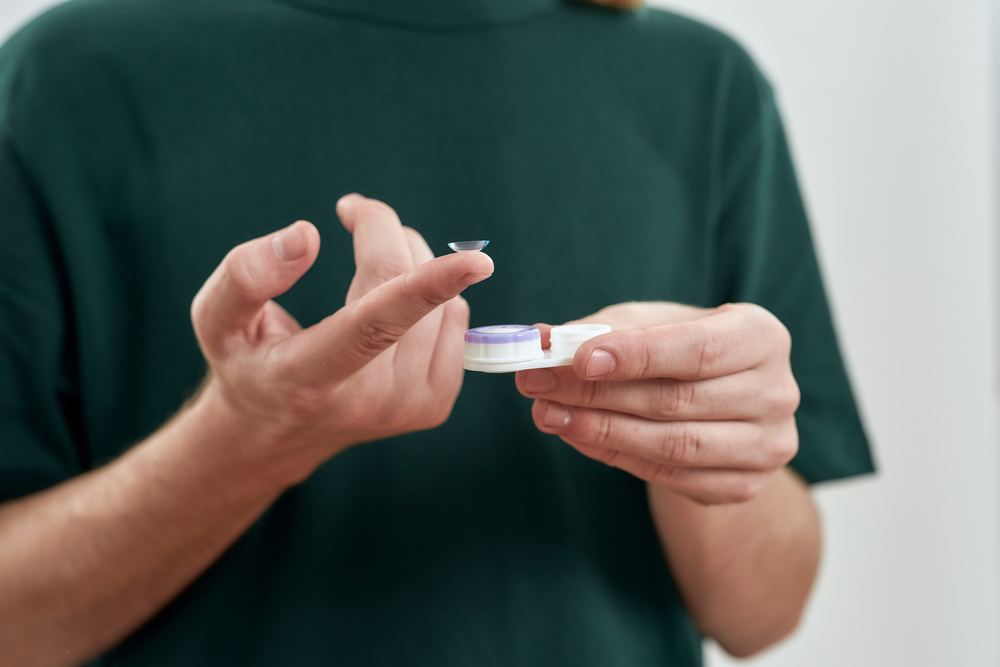
If you’re thinking about trying contact lenses for the first time, you probably have a few questions before getting started. Many patients want to know if contacts hurt, how long the appointment takes, or whether daily contacts are better than monthly lenses.
At Missouri Eye Consultants, we help patients throughout Missouri and Central Missouri feel comfortable and confident throughout the contact lens fitting process. Here are answers to some of the most common questions we hear from first-time contact lens wearers.
What Happens During a Contact Lens Fitting?
A contact lens fitting is a specialized appointment designed to find the safest and most comfortable contact lenses for your eyes. During the appointment, your eye doctor will:
- Update your prescription if needed
- Check your eye health
- Discuss lens options
- Fit trial contact lenses
- Evaluate how the lenses fit your eyes
- Teach you how to insert and remove your contacts
Many patients complete their contact lens fitting during a routine eye exam, while others schedule a separate appointment specifically for contacts.
Do I Need a Separate Contact Lens Appointment?
Not always. Some patients add a contact lens fitting to their yearly eye exam, while others schedule a shorter dedicated visit between exams.
If you’re interested in trying contacts for the first time, Missouri Eye Consultants can help determine which option works best for your schedule.
How Long Does a Contact Lens Fitting Take?
Many contact lens fittings can be completed during a standard eye exam or a shorter dedicated appointment. The exact timing depends on factors like your prescription, lens type, and whether you need insertion and removal training.
First-time contact lens wearers may spend a little extra time learning how to put in and remove their lenses comfortably.
Do Contact Lenses Hurt?
Most patients describe contact lenses as noticeable at first, but not painful. Many compare the feeling to having a small eyelash in the eye for the first few minutes.
As your eyes adjust, the lenses usually become much less noticeable. Many patients eventually forget they are even wearing contacts during the day.
What Do Contact Lenses Feel Like the First Time?
When contacts are first placed on the eye, they can feel slightly unusual because your eyes are not used to them yet. This sensation typically improves quickly with regular wear.
If contact lenses feel painful, excessively dry, or irritated, your eye doctor may need to adjust the lens fit or recommend a different lens option.
How Long Does It Take to Get Used to Contacts?
Many patients adjust to contact lenses within a few days. Some adapt even faster, while others need a little more time to feel fully comfortable.
Wearing your lenses consistently as recommended by your eye doctor can help speed up the adjustment period.
Why Is My Contact Lens Prescription Different From My Glasses Prescription?
A contact lens prescription can differ slightly from your glasses prescription because contact lenses sit directly on the eye rather than in front of it like glasses.
This difference is completely normal and helps ensure your contacts provide clear, comfortable vision.
Are Daily Contacts Better Than Monthly Contacts?
The right lens type depends on your eyes, lifestyle, and prescription. Both daily and monthly contact lenses work well for many patients.
Daily disposable contacts are often recommended for patients with:
- Dry eyes
- Eye allergies
- Busy schedules
- Simpler hygiene preferences
Monthly contact lenses can be a good option for patients who prefer reusable lenses or require prescriptions that may not be available in daily lenses.
What Are the Benefits of Daily Disposable Contacts?
Daily disposable contacts are replaced with a fresh pair every day. Because they are thinner and cleaner, many patients find them more comfortable than reusable lenses.
They also eliminate the need for cleaning solutions and storage cases, making them a convenient option for many first-time contact lens wearers.
Who Is a Better Candidate for Monthly Contact Lenses?
Monthly contact lenses may work well for patients who are comfortable following a nightly cleaning routine and storing lenses properly between uses.
Some specialized prescriptions are also only available in monthly lens designs.
Can You Sleep in Contact Lenses?
Sleeping in contact lenses is generally not recommended, even for lenses approved for overnight wear.
Keeping contacts in overnight can reduce oxygen flow to the eye and increase the risk of irritation or eye infections. Removing your lenses before bed is one of the best ways to protect your long-term eye health.
What If I Can’t Put My Contacts In?
This is one of the most common concerns for first-time contact lens patients. The good news is that learning to insert and remove contacts simply takes practice.
Most patients become more confident after practicing a few times with guidance from their technician.
How Contact Lens Training Works
Before going home with your trial lenses, a technician will teach you:
- How to insert your lenses
- How to remove your lenses
- Proper lens hygiene
- How to clean reusable lenses
- How to safely store your contacts
Patients typically practice several times before leaving the office.
How to Tell if a Contact Lens Is Inside Out
A contact lens that is inside out may feel uncomfortable or unstable on the eye. Your technician will show you how to check the shape of the lens before inserting it.
This is a very common learning step for first-time contact lens wearers.
How Do Doctors Check Contact Lens Fit?
After your lenses are placed on the eye, your doctor will examine them using a slit lamp microscope.
This allows your eye doctor to make sure the lenses:
- Fit securely
- Move correctly during blinking
- Allow enough oxygen to reach the eye
- Provide stable vision
A properly fitted contact lens is important for both comfort and long-term eye health.
Can Kids Wear Contact Lenses?
Yes. Many children and teenagers successfully wear contact lenses.
Daily disposable contacts are often a great option for kids because they do not require cleaning solutions or storage cases. This can make contact lens hygiene simpler and healthier for younger patients.
Do I Need a Follow-Up Appointment for Contacts?
Yes. Follow-up appointments allow your eye doctor to evaluate how the lenses perform after several hours of real-world wear.
During the follow-up visit, your doctor may:
- Check lens comfort
- Evaluate vision
- Adjust the prescription if needed
- Confirm the lenses fit properly
It’s important to wear your contact lens trials to your follow-up appointment so your doctor can accurately evaluate the lenses on your eyes.
Are Contact Lenses Safe for Long-Term Wear?
Yes, contact lenses are very safe when worn and cared for properly.
The most important steps for safe long-term wear include:
- Following replacement schedules
- Removing lenses before bed
- Practicing good lens hygiene
- Attending regular eye exams
- Following your doctor’s recommendations
Modern contact lenses are designed to provide comfortable vision while supporting long-term eye health.
Contact Lens Fitting in Central Missouri
Missouri Eye Consultants provides contact lens fittings for patients throughout Central Missouri. Whether you’re interested in daily disposable contacts, monthly lenses, or trying contacts for the first time, our team is here to help you find the right fit for your eyes and lifestyle.
Ready to Schedule a Contact Lens Fitting in Missouri?
If you’re ready to explore contact lenses, Missouri Eye Consultants can guide you through every step of the process. Contact our team today to schedule your contact lens fitting and learn which contact lens options may be right for you.
