
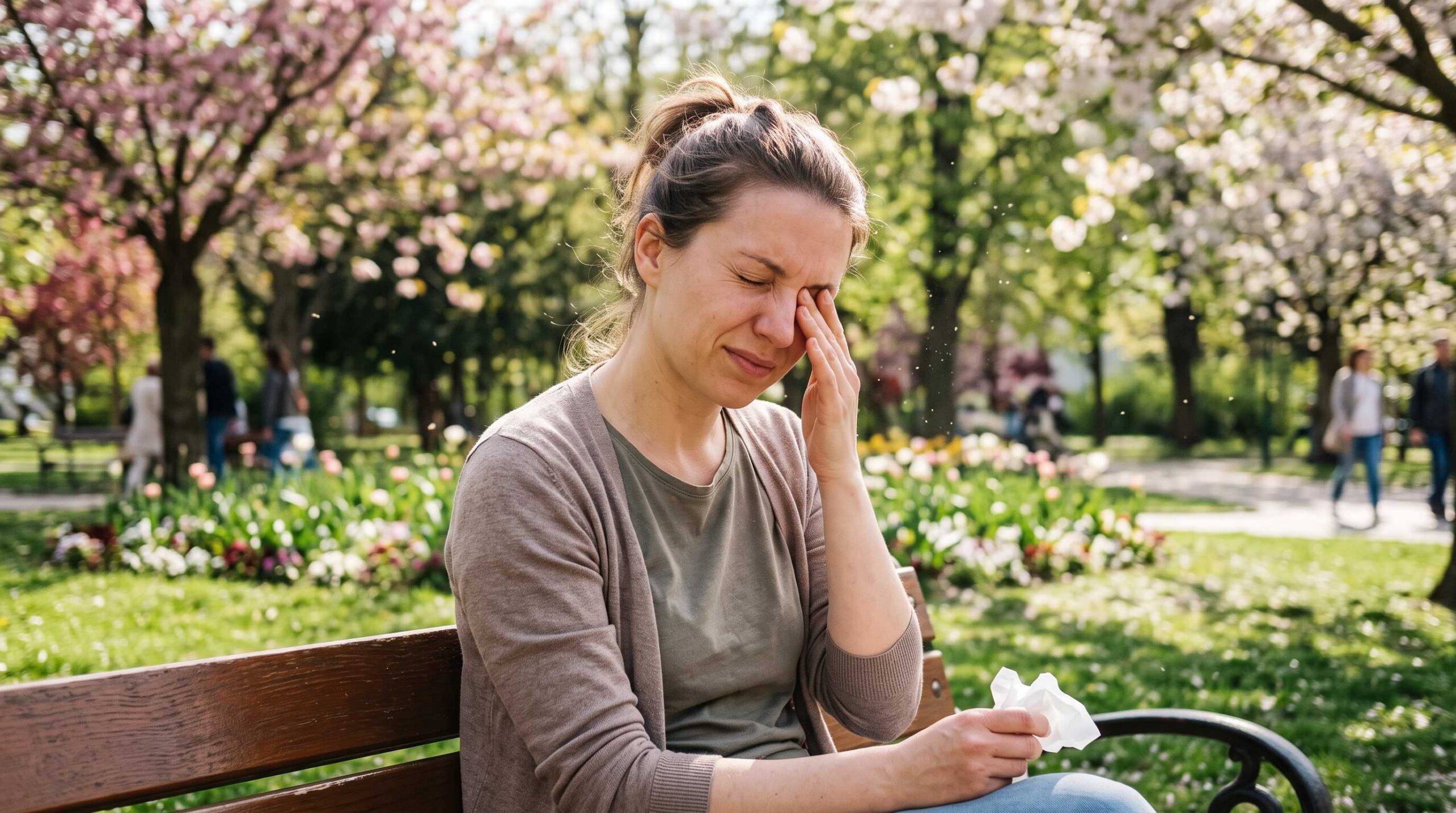
Spring brings warmer weather, blooming landscapes, and longer days outdoors. For many contact lens wearers, it also brings itchy, watery eyes that can make wearing contacts less comfortable. Here’s how to protect your eyes and enjoy clearer, more comfortable vision throughout allergy season.
When flowers bloom across Callaway County, pollen fills the air alongside the promise of spring. While many people welcome the season, allergy sufferers often find themselves reaching for tissues and eye drops instead. If you wear contact lenses, seasonal allergies can make everyday vision feel frustrating, turning a normally comfortable pair of lenses into a source of irritation.
The good news is that you don’t have to choose between enjoying spring and wearing your contact lenses. A few simple adjustments to your daily routine can help reduce discomfort and keep your eyes feeling healthier throughout allergy season.
Why Spring Allergies Affect Contact Lens Wearers
Seasonal allergies develop when your immune system reacts to airborne allergens like pollen from trees, grasses, and weeds. Your body releases histamines, which can trigger symptoms including:
- Itchy eyes
- Redness
- Excessive tearing
- Burning or stinging
- Puffy eyelids
- Light sensitivity
For contact lens wearers, these symptoms often become even more noticeable. Tiny pollen particles can collect on the surface of contact lenses throughout the day. As the lenses move with each blink, they may continue exposing the eye to allergens, making irritation last longer.
Dry eyes, which commonly accompany allergies, can also make contact lenses feel scratchy or uncomfortable. Instead of gliding smoothly across the eye, the lenses may begin to feel like they’re constantly reminding you they’re there.
Simple Ways to Stay Comfortable During Allergy Season
While you can’t control the pollen count, you can take steps to reduce how much it affects your eyes.
Wash Your Hands Before Handling Your Lenses
Spring allergens settle on everything from doorknobs to steering wheels. Washing your hands thoroughly before inserting or removing your contact lenses helps prevent transferring pollen and other irritants directly to your eyes.
Replace Your Lenses as Directed
Following your recommended replacement schedule becomes even more important during allergy season. Daily disposable contact lenses can be especially helpful because you begin each morning with a fresh, clean pair rather than wearing lenses that may have collected allergens over several days.
If you wear monthly or biweekly lenses, cleaning and storing them exactly as directed helps remove deposits that build up over time.
Give Your Eyes a Break
On days when pollen counts are especially high, consider switching to your glasses for a few hours.Giving your eyes time without contact lenses allows them to recover and may reduce irritation.
Many weather apps and local forecasts include daily pollen reports, making it easier to plan outdoor activities when pollen levels are lower.
Choose Eye Drops Carefully
When allergy symptoms flare up, grabbing the first bottle of eye drops on the pharmacy shelf can seem like the easiest solution. However, not every eye drop works well with contact lenses.
Some allergy eye drops require you to remove your lenses before use, while others contain preservatives that may cause additional irritation if used incorrectly. Artificial tears designed for contact lens wearers can help rinse away allergens and keep your eyes comfortably hydrated throughout the day.
If your symptoms continue despite over-the-counter products, it’s worth speaking with your eye doctor. Prescription allergy treatments may provide longer-lasting relief while protecting your overall eye health.
When Should You See Your Eye Doctor?
Occasional itchy eyes during allergy season are common, but symptoms that linger or become more severe deserve professional attention.
Schedule an eye exam if you experience:
- Persistent redness that doesn’t improve
- Eye pain or sensitivity to light
- Blurred vision
- Thick discharge from the eyes
- Contact lenses that suddenly become uncomfortable every time you wear them
These symptoms may point to something beyond seasonal allergies, such as dry eye disease, an eye infection, or an issue with your contact lens fit. A comprehensive eye exam helps identify the cause and guides you toward the right treatment.
Healthy Eyes Through Every Season
Spring should be a season you look forward to, not one you spend battling irritated eyes. With a few healthy habits and the right contact lens care, many allergy sufferers can enjoy clear, comfortable vision all season long.
At Missouri Eye Consultants, we’re here to help you find relief and keep your eyes healthy throughout every season. Whether you need updated contact lenses, treatment for allergy-related irritation, or a comprehensive eye exam, our team is ready to help.
Book your eye exam today and let us help you enjoy everything spring has to offer with comfortable, healthy vision.
