
More children develop myopia every year, and stronger prescriptions often follow close behind. Modern eye care gives parents new ways to slow that progression and help protect their child’s long-term vision.
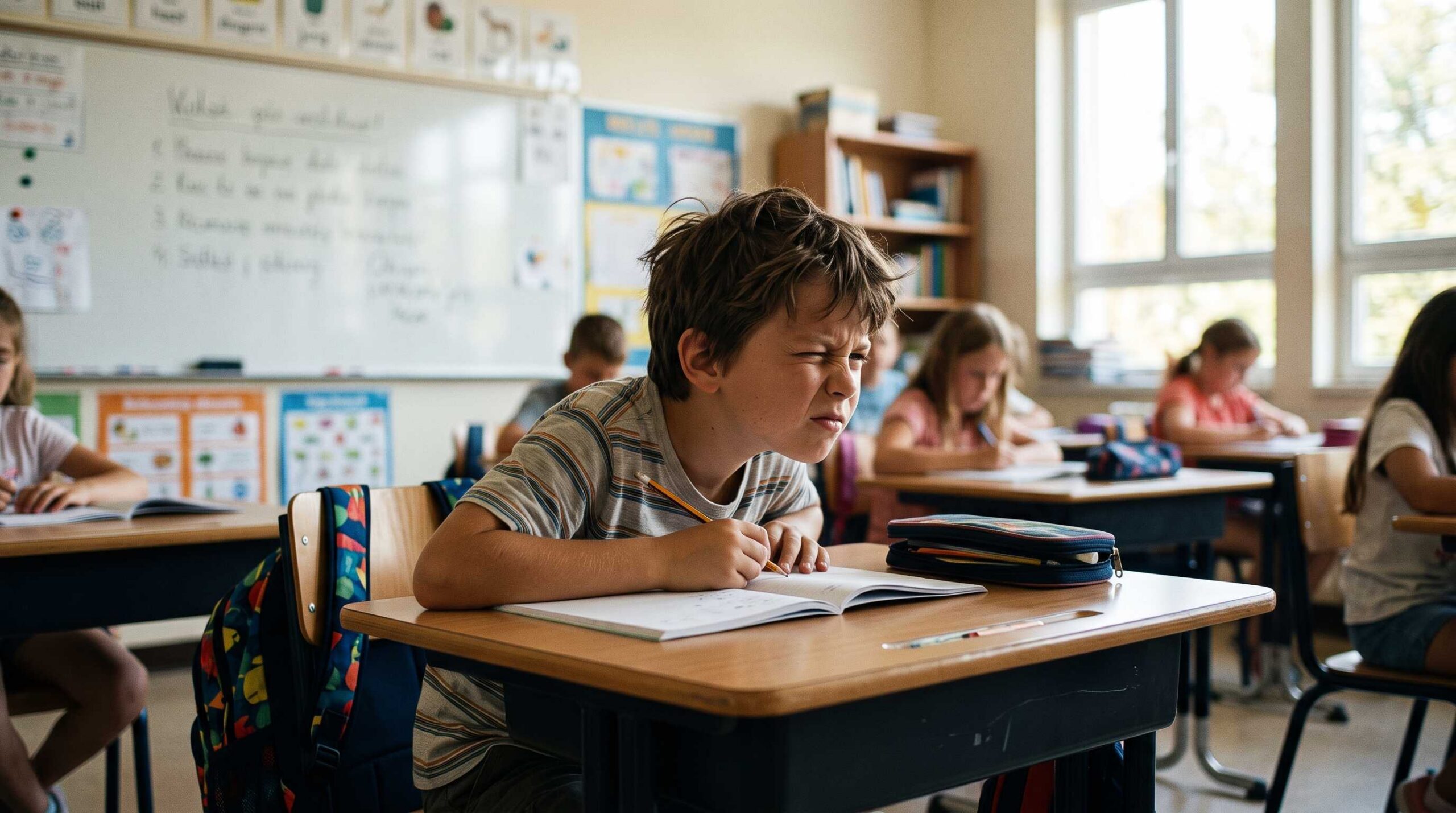
A child who struggles to see the whiteboard often seems distracted before anyone realizes what’s happening. They move closer to screens. They squint across the soccer field. They lose confidence in school little by little, like fog creeping across a windshield.
Myopia, also called nearsightedness, has become one of the fastest-growing vision concerns among children in the United States. While glasses help children see clearly, they only correct blurry vision. Today’s myopia management treatments aim to slow the condition itself, helping protect children from stronger prescriptions and future eye health risks.
At Missouri Eye Consultants, we work with families who want more than yearly prescription changes. Parents want answers. They want options. Most of all, they want to help their children hold onto healthy vision for the future.
Why Childhood Myopia Matters More Than Ever
Myopia causes distant objects to appear blurry while nearby objects stay clear. It often begins during elementary school years and tends to worsen as children grow.
Several factors contribute to the rise in childhood myopia:
- Increased screen time
- Less time outdoors
- More near-focused activities like reading and tablets
- Family history of nearsightedness
Researchers expect nearly half the world’s population to have myopia by 2050. That statistic matters because higher levels of myopia increase the risk of serious eye conditions later in life, including:
- Retinal detachment
- Glaucoma
- Cataracts
- Myopic macular degeneration
For many parents, myopia first feels like a simple need for glasses. Over time, the yearly prescription changes can start to feel like a treadmill that keeps speeding up. Myopia management gives families a chance to interrupt that cycle earlier.
Signs Your Child May Be Developing Myopia
Children rarely announce that their vision has changed. Many assume everyone sees the world the same way they do.
Parents and teachers often spot the first clues through behavior changes like:
- Squinting to see faraway objects
- Sitting close to televisions or tablets
- Holding books very close to the face
- Complaints of headaches or tired eyes
- Trouble seeing the classroom board
- Declining performance at school
- Frequent eye rubbing
Annual eye exams play a major role in catching myopia early. A standard school vision screening may miss smaller changes or fail to measure how quickly the condition progresses.
Early diagnosis gives children more treatment options while their eyes are still developing.
How Modern Myopia Management Works
Myopia management focuses on slowing the eye’s growth. When the eye grows too long from front to back, light no longer focuses correctly on the retina, which causes blurry distance vision.
Several modern treatments can help slow that process safely and effectively.
Specialized Contact Lenses
Certain soft contact lenses reshape how light enters the eye. This design helps reduce the signals that encourage the eye to keep lengthening.
Many children adapt surprisingly well to contacts, even at younger ages. Parents often appreciate the freedom contacts give active kids during sports and outdoor activities.
Orthokeratology (Ortho-K)
Ortho-K lenses work overnight while children sleep. These specially designed lenses gently reshape the cornea so children can see clearly during the day without glasses or contacts.
Many families enjoy the convenience and flexibility Ortho-K provides, especially for children involved in athletics or swimming.
Prescription Eye Drops
Low-dose atropine eye drops may help slow myopia progression in some children. These drops are usually applied before bedtime and often work alongside other management strategies.
Every child’s eyes develop differently, which is why myopia treatment plans should feel personal rather than one-size-fits-all.
Why Outdoor Time Helps Protect Vision
One of the simplest tools for supporting healthy vision may also be the most refreshing.
Time outdoors appears to help slow the onset and progression of myopia in children. Natural sunlight and distance-focused visual activity give growing eyes a healthy break from constant close-up work.
Many eye doctors recommend at least two hours of outdoor activity each day when possible.
That does not mean children must give up screens entirely. Life today revolves around technology in classrooms and at home. Instead, healthy visual habits create balance.
Parents can encourage habits like:
- Taking screen breaks every 20 minutes
- Holding devices farther away from the eyes
- Spending more time outside after school
- Limiting recreational screen time before bed
Healthy vision often grows through small daily habits, much like healthy teeth or strong muscles.
It All Starts With a Pediatric Eye Exam
If your child has started squinting, struggling in school, or needing stronger glasses every year, now is a great time to schedule a comprehensive eye exam. Missouri Eye Consultants proudly helps families across Missouri protect their children’s vision with thoughtful, modern myopia care.
